What Native Flowers and Forest Textures Teach Us
Reading the Rainforest: What Native Flowers and Forest Textures Teach Us

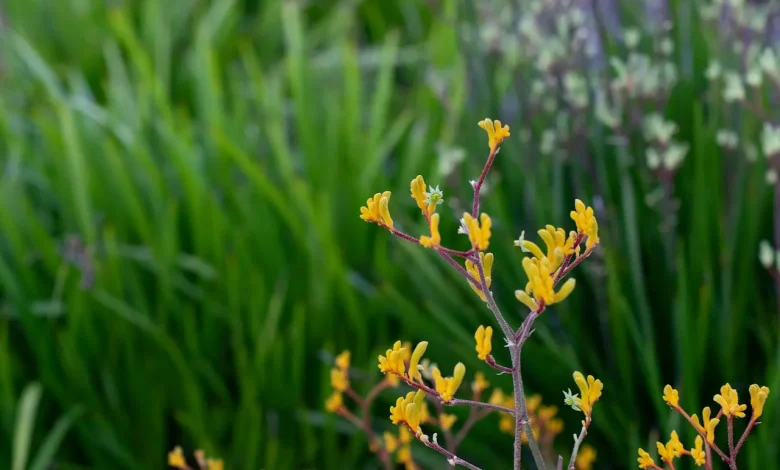
One of the great gifts of walking through a subtropical rainforest is that it changes the way we look. At first, many visitors notice the big picture: towering trunks, filtered light, deep shade, and the hush that seems to settle over the track. But after a few minutes, attention begins to narrow. You start to notice bark patterns, the gloss of a leaf, the curve of a vine, the rust-red tones of fallen foliage, the soft scatter of seeds, and the way colour appears in small, surprising moments rather than in broad, open sweeps. In a forest such as Mary Cairncross, that layered complexity is part of what makes the experience so memorable. The reserve protects an important remnant of subtropical rainforest, where regeneration, biodiversity, and close observation all matter.
That same sensitivity to texture and season can shape the way we think about native plants beyond the forest. Even in a garden, on a veranda, or in a carefully arranged bouquet, there is something deeply Australian about materials that feel grounded rather than overworked: seed pods, sculptural foliage, twisting branches, and earthy, textural blooms that reflect the colours and forms of the bush. These details create a sense of place. They invite us to appreciate plants not simply for brightness, but for structure, resilience, and story.
The same is true of flowers shared thoughtfully within a community. Whether they are given to mark a celebration, offer comfort, or bring a little of the outdoors inside, the best arrangements often feel connected to their surroundings. They arrive not as something generic, but as something local and seasonal, handled by people who understand the journey from grower to home. That is part of the value of the local delivery team: flowers and foliage can be chosen and carried with a sense of context, not just convenience.
In a rainforest reserve, every layer has a role. The canopy shapes light. The understorey holds moisture and habitat. Fallen branches feed fungi and insects. Seeds wait for their moment. Regeneration happens quietly, often unseen, until a break in the canopy lets something new surge upward. Mary Cairncross describes this as a dynamic process in which even disturbance becomes part of renewal, with litter, decay, and growth all linked together. That cycle offers a useful reminder for how we value plants in daily life. Beauty does not always come from perfection. Often it comes from maturity, variation, weathering, and the relationships between forms.
This is one reason native flowers and foliage have such a distinctive presence. Many carry the visual language of the landscape with them. A bank of foliage may hold silver-green, olive, charcoal, or deep gum tones rather than a single clean green. Flower heads might be spiky, feathery, waxy, or architectural. Some blooms seem almost carved rather than petaled. Others dry beautifully, extending their life and changing character over time. When used well, these materials do more than decorate a table. They echo the natural design principles that people encounter in bushland and rainforest margins: contrast, irregularity, layering, and rhythm.
There is also an important emotional dimension to this style of planting and arranging. A walk in a reserve like Mary Cairncross is not loud. It is immersive, detailed, and grounding. The forest rewards patience. Bird calls come from different heights. Leaf litter reveals tracks or movement. Sunlight shifts constantly. The experience encourages a slower form of attention. The same effect can be created, in a smaller way, by bringing natural texture indoors. An arrangement built with native materials often feels less formal and more atmospheric. It allows space for movement, shadow, and asymmetry. It feels alive in the room.
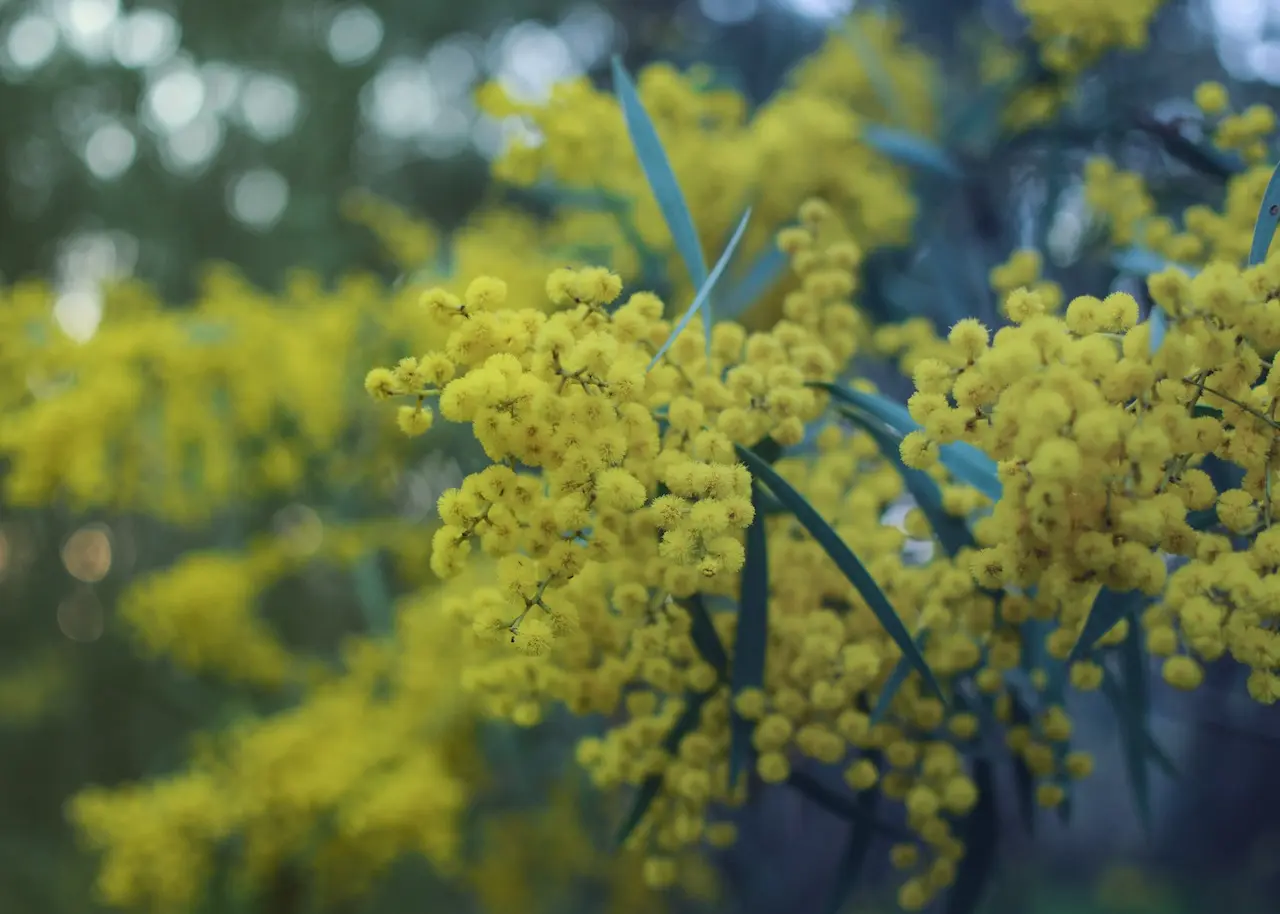
For people interested in gardening, rainforest reserves can also sharpen the eye for plant communities rather than individual specimens. Instead of asking, “What is the showiest flower?” we begin asking, “What belongs together?” Which leaves soften the edges of stronger forms? Which textures catch the light? Which plants provide shelter, nectar, or seasonal interest at different times? In the reserve, no plant exists in isolation. The ecological story is always about connection. Mary Cairncross itself is described as an “ecological island,” making those connections even more precious because the surrounding links have been reduced over time.
That idea matters beyond conservation science. It can inform the way we design home landscapes and even the way we choose cut flowers. Local and native species help sustain a visual language that belongs to the Australian environment. They also encourage a broader appreciation of plant life beyond the most familiar ornamental standards. When people learn to admire a twisted stem, a rough pod, a dusky leaf, or a bloom that opens imperfectly, they are often learning the same lesson a forest teaches: diversity is part of beauty.
Another reason this perspective fits so naturally with places like Mary Cairncross is that the reserve is not simply scenic; it is interpretive. Visitors are encouraged to notice, learn, and respect the forest. The site highlights flora, fauna, birds, and the ongoing work required to protect biodiversity in a relatively small but significant remnant. In that context, an article about native flowers is not a departure from the website’s themes. It is an extension of them. It asks how the sensibilities developed in protected natural places can continue into everyday life.
This continuity matters because conservation does not begin and end at the boundary of a reserve. It also lives in habit, taste, and local knowledge. People who learn to recognise the value of native plants in the wild are often more inclined to support them in gardens, public spaces, education, and seasonal rituals. They are more likely to notice flowering cycles, bird activity, habitat needs, and the importance of preserving regional character. Even the act of choosing local, textural, seasonal flowers can reflect that awareness. It says that beauty is not something imported from elsewhere; it already exists here, in forms shaped by climate, soil, pollinators, and time.
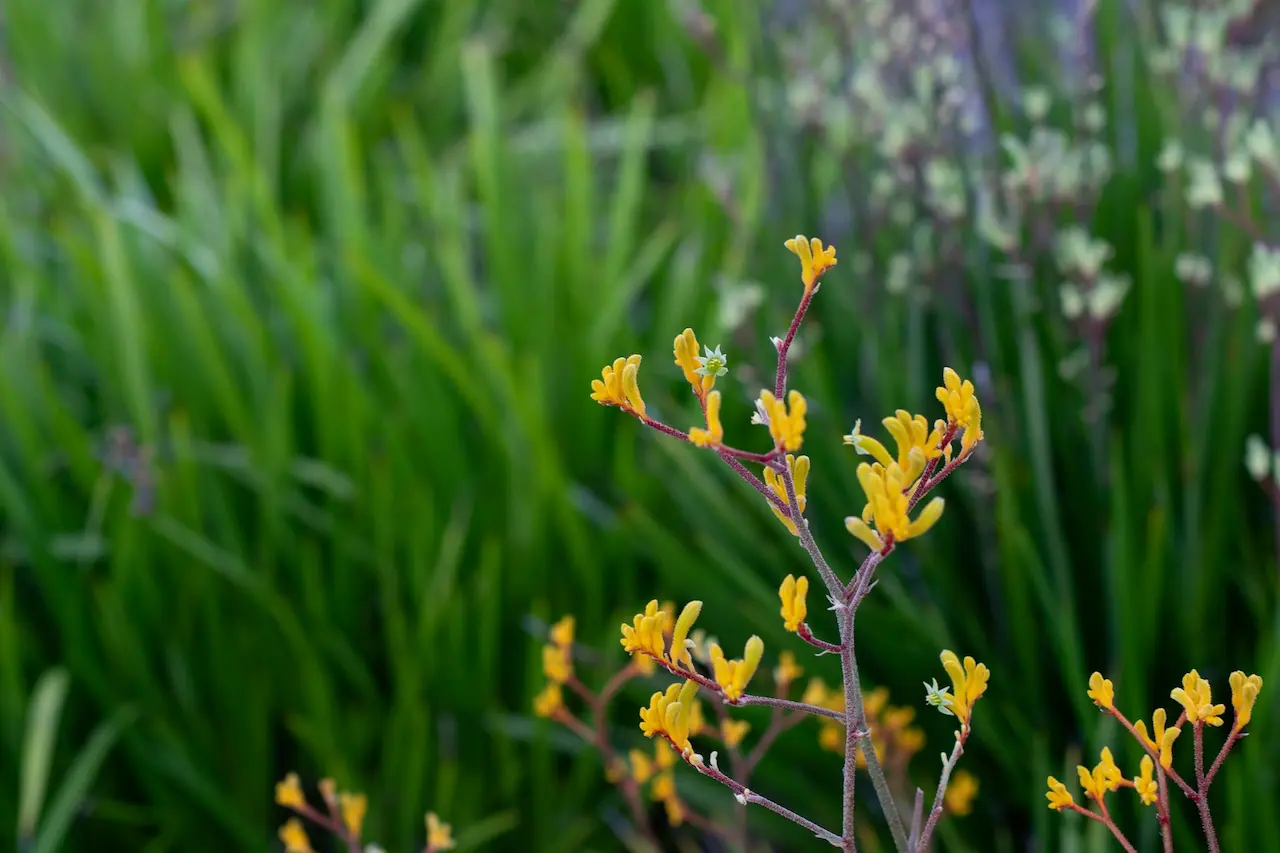
There is something fitting, too, about how native flowers often resist uniformity. In a reserve, no two leaves sit exactly alike, and no patch of forest reads as flat or repetitive. Likewise, arrangements built with native materials often have a sense of movement and surprise. They may lean, arc, twist, or open unevenly. They may combine softness and toughness in the same composition. That complexity can feel more honest than heavily controlled design. It mirrors the way real landscapes hold tension: lushness beside decay, delicacy beside strength, stillness beside noise.
For visitors leaving a rainforest walk, that may be one of the most lasting impressions. The forest does not simply present beauty; it teaches a way of seeing. It invites us to value intricacy, interdependence, patience, and place. Long after the walk is over, those lessons can remain with us—in the plants we grow, the flowers we choose, the way we style our homes, and the landscapes we decide to protect.
To read the rainforest well is to understand that beauty is layered. It is not only found in grand lookouts or spectacular moments, but in bark, seed, shadow, leaf shine, and the interplay of forms across the forest floor and into the canopy. Native flowers carry that same layered story. They bring texture, memory, and locality into view. And when we notice them with the same attentiveness a reserve inspires, we begin to see that appreciation itself can be a form of care.
If you are walking through Mary Cairncross or any remnant patch of Australian forest, take your time. Look closely. Notice what is subtle before you look for what is bold. The reward is not just a better understanding of the landscape, but a deeper relationship with the textures, colours, and living patterns that make it unique. That relationship can follow you home—and perhaps that is one of the quiet ways a forest continues its work.